 Seoul City Guide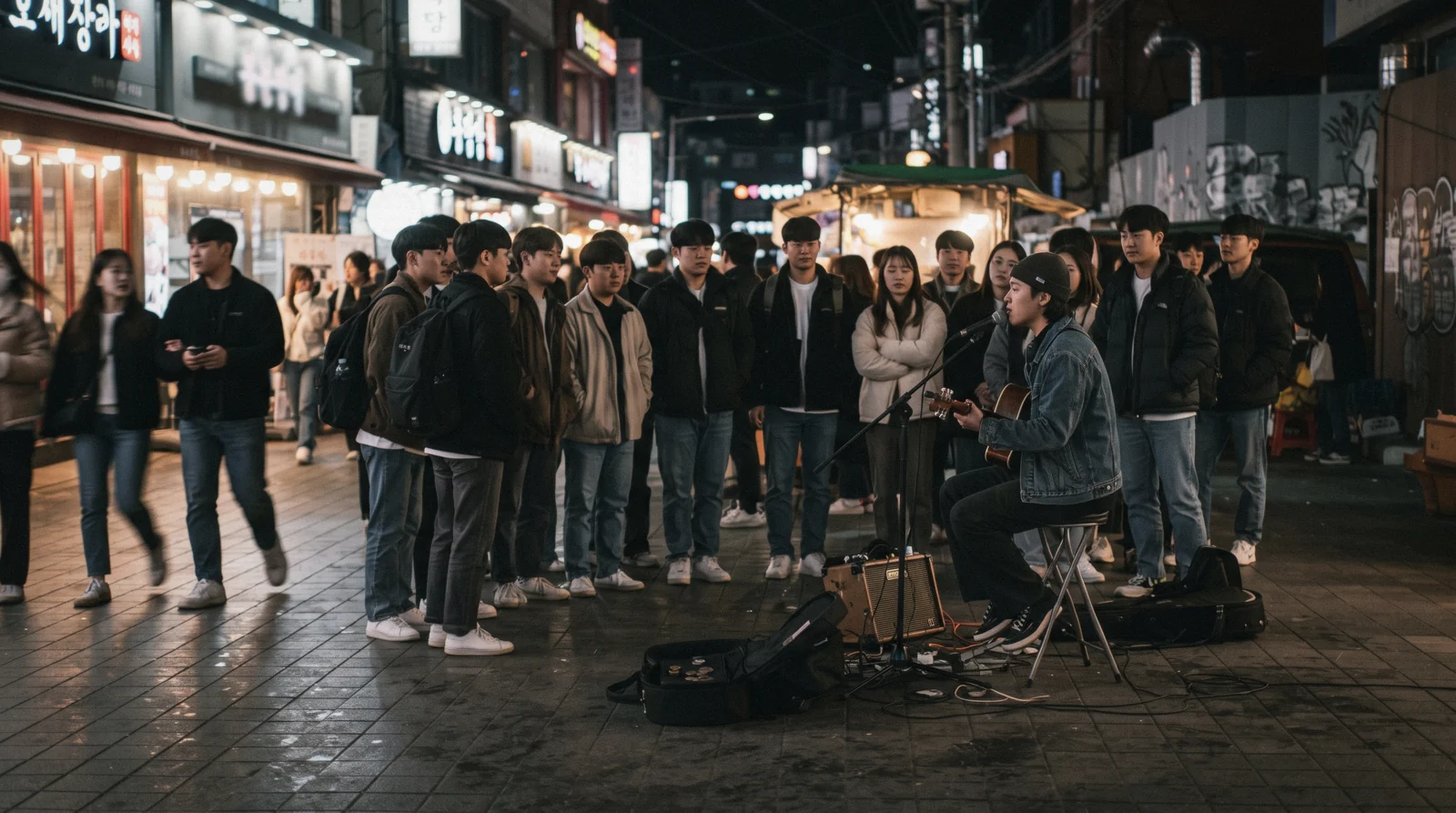
Seoul Nightlife: Where to Go, and What the Last Train Does to It
Seoul nightlife runs later than almost any city and is shaped by one hard constraint: the metro stops around midnight, and everything after that is a decision. This page covers the districts, the prices and the after-midnight problem, checked in Q3 2026. The rest of the trip is on the Seoul city guide homepage.
Quick answer Hongdae for value, Itaewon for range, Gangnam for money
Seoul drinks late and cheaply if you choose the right district. Hongdae is the student version — buskers from seven, beer at ₩4,000, clubs from ₩10,000 — and it runs until the first train. Itaewon has the widest range and higher prices. Gangnam is the expensive version with a dress code. Ikseon-dong is where to go if you want a conversation rather than a night.
Key takeaways
- Decide before midnight whether you are catching the last train. After that it is a taxi with a surcharge or staying until 05:30.
- Korean drinking is food-led: a bar without something to eat is unusual, and anju is part of the order.
- A jjimjilbang at ₩10,000–₩20,000 is the standard fallback when the metro has gone.
Where to Go, and What It Costs
The four districts a visitor will actually use, with the going rate for a drink and what each is for, checked in Q3 2026.
| District | Beer | What it is | Runs until |
|---|---|---|---|
| Hongdae | ₩4,000–₩6,000 | Buskers, live venues, clubs, students | The first train |
| Itaewon | ₩6,000–₩9,000 | International bars, the LGBT scene, range | 01:00 or later |
| Ikseon-dong | Cocktails ₩12,000–₩16,000 | Hanok courtyards, quiet drinking | About midnight |
| Gangnam | Cocktails ₩15,000+ | Large clubs, dress codes, expense accounts | Very late |
| Euljiro and Jongno | ₩4,000–₩5,000 | Old-Seoul drinking, tented bars, grilled food | Late |
Euljiro is the local secret: printing-district backstreets full of small bars, often up unmarked stairs, with prices closer to Hongdae than to Gangnam.
How a Korean Night Works
Drinking here is sequential and food-led. The word for the pattern is cha — rounds — and a full night runs first cha at a restaurant with grilled meat and soju, second cha at a bar, third cha at a noraebang or a late-night stew place.
Anju — the food ordered alongside the drink — is not optional in most bars, and the menu will make that obvious. Fried chicken, dried squid, tteokbokki, or a plate of fruit: it is expected that you eat something.
Soju is ₩4,000 to ₩5,000 a bottle in a restaurant and less in a convenience store. Beer is similar. Cocktails are a separate, more expensive category and are best in Ikseon-dong and Hannam rather than in the student districts.
Noraebang — private karaoke rooms — are everywhere, charged by the room per hour, and are a normal part of a night rather than a novelty.
And convenience stores are legitimate venues: buy a beer, sit at the plastic table outside, and nobody minds. Drinking in public is legal, and the Han River parks in summer are the largest version of that.
The Last Train, and What Comes After
The metro's last services run around midnight, varying by line and direction, and the first trains start about 05:30. That five-and-a-half-hour gap defines a Seoul night out.
Before midnight. Ordinary evening: dinner, a couple of bars, home on the metro. Most visitors do this.
After midnight, three options. A taxi, hailed through Kakao T, on the meter with a late-night surcharge — cheap by international standards and expensive by Seoul ones, particularly across the river. A night bus, on the blue N routes, which run through the small hours and are far cheaper. Or staying out: Hongdae is built for it, and the clubs and bars there run until the trains restart.
The fourth option is a jjimjilbang at ₩10,000 to ₩20,000, with sleeping halls and a shower. Koreans use it exactly this way, and it costs a fifth of a hotel.
Whichever you pick, pick it before eleven. The worst version of this is standing outside a station at 00:40 doing arithmetic.
Where to Start the Evening
Three districts and three different nights.
Hongdae
Buskers, cheap beer and the first-train option: Hongdae.
- Beer ₩4,000–₩6,000
- Buskers from 19:00
- Runs until 05:30
Ikseon-dong
Hanok courtyards and cocktails: Ikseon-dong.
- Cocktails ₩12,000–₩16,000
- Quieter
- Closes about midnight
Evenings With a Plan
Three bookings that give a night a shape — a baseball game with dinner, a night food walk, a market-and-palace evening. Ratings and prices are the operators' own figures, checked in Q3 2026.
 from $87.77
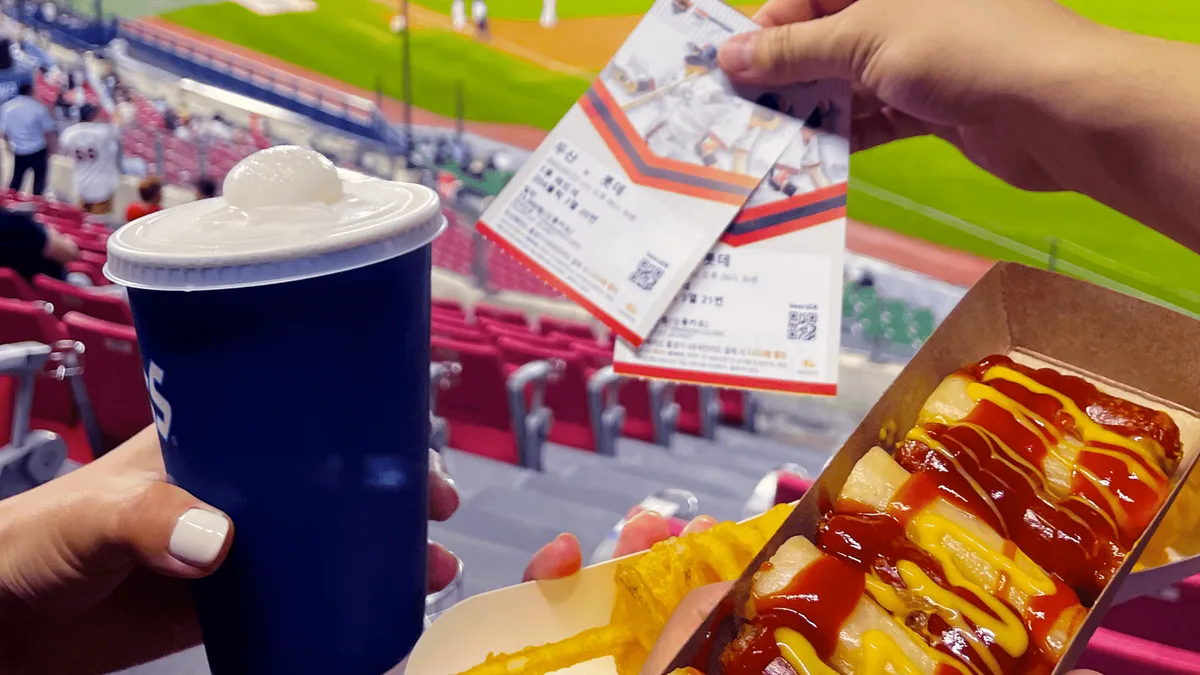
Seoul: Jamsil Baseball Stadium Game Experience with Dinner
Experience the enthusiastic cheering culture of Korean baseball fans and enjoy the rest of the night with local food around the.
Check Availability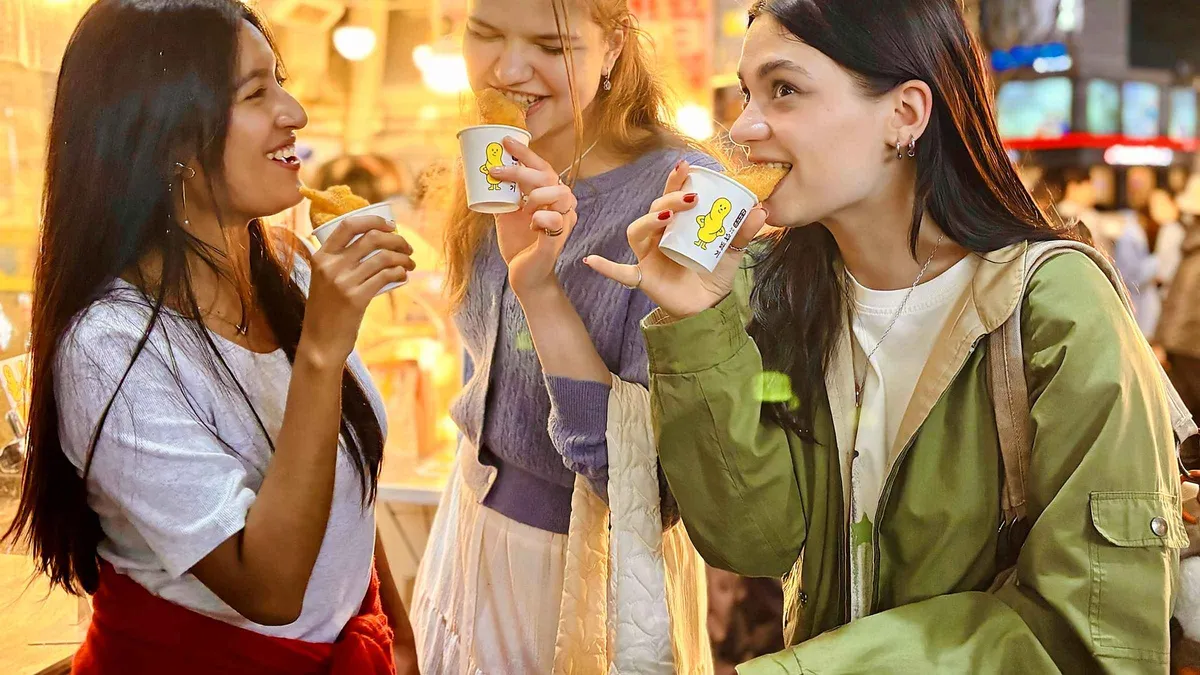 from $67.15
Seoul: Night Palace & Market Food Tour with Vehicle
Unwind in Seoul's night glow where history meets flavor. On this small-group tour (max 15), ride between sights, taste generous market dishes, and feel the city come alive with lights and.
Check Availability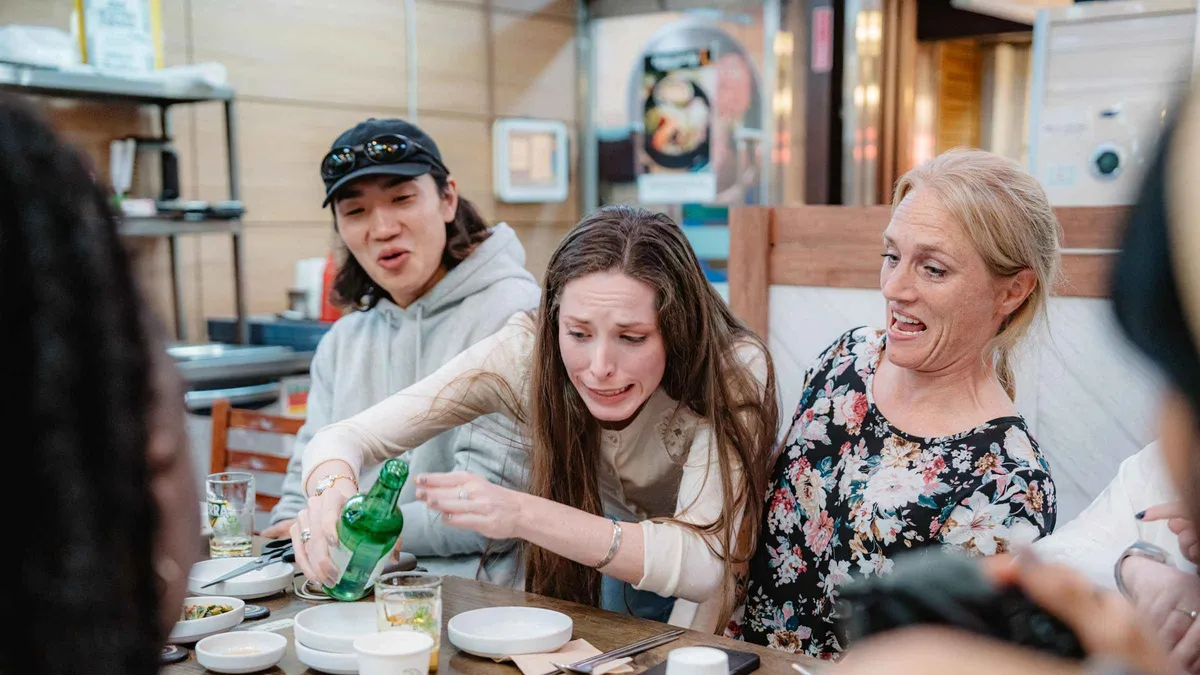 from $73
Seoul Street Food Market Tour
This experience goes beyond delicious food; it's a cultural journey where you'll connect with friendly hosts, engage with local vendors, and bond with fellow.
Check AvailabilityPrices, ratings and details are the platform's own, checked in Q3 2026; dollar figures are the listed prices — the platform bills in your account's currency.
Nightlife Questions
Where is the best nightlife in Seoul?
Hongdae for live music, buskers and student prices; Itaewon for range and international bars; Gangnam for large expensive clubs; Ikseon-dong and Euljiro for quieter drinking.
What time does the Seoul metro stop?
Around midnight, varying by line, with the first trains from about 05:30. After that it is a taxi with a late-night surcharge, a night bus, or staying out.
How much does a night out in Seoul cost?
Is it legal to drink in public in Korea?
Yes. Convenience-store tables, parks and the Han River banks are all normal places to drink, and in summer the riverside is the largest outdoor bar in the country.
What is anju?
The food ordered alongside drinks. Most Korean bars expect you to order something to eat, and the menu is built around it — fried chicken, dried squid, tteokbokki, fruit.
Where do people go after the last train?
They stay out until the first train, take a taxi, or use a jjimjilbang at ₩10,000 to ₩20,000, which has sleeping halls and showers and is the cheapest of the three.
Do and don'ts in Seoul, Korea?
Two hands when giving or receiving anything, shoes off at a raised step, priority seats on the metro left empty, no chopsticks standing upright in rice, and no phones in bathhouse changing areas. And no tipping — not in restaurants, taxis, bars or hotels. The full etiquette page.
Reviewed Q3 2026 (July–September 2026); next review Q4 2026. Prices, hours and terms are set by the venue or operator and confirmed at checkout.
We may earn a commission if you book through one of our links, at no extra cost to you. Full affiliate disclosure